Two Is Plenty: A UK Case for the Curated Keyboard Pair
Every hobby has a finish line that keeps moving. In custom keyboards, we have given it a name: endgame. The trouble is that endgame is usually just the next group buy with better adjectives. A board that feels perfect in March can feel faintly wrong by October, especially once a new plate material, mounting style or keycap set lands in your feed. For UK enthusiasts with limited desk space and a postage bill that already knows our names, the smarter move is not another upgrade. It is a two-board rule.
The endgame delusion
The appeal of endgame is easy to understand. It promises that one careful purchase will end the search. In reality, the search is the hobby. That is fine if you enjoy the chase, but it becomes expensive when the chase is dressed up as necessity. A new switch is not going to fix a layout you never quite liked. A fresh keycap set will not make a 65% board suit spreadsheet work if you need a numpad every day. And a CNC aluminium case will not solve the fact that your desk is 70cm wide and shared with a monitor, a mug and a half-finished jigsaw of a British seaside town.
The UK scene is small enough that you can see the same boards circulating on marketplaces, often with a familiar story: bought, built, admired, listed. That is not a criticism of the builders. It is a sign that many of us are buying solutions to problems we have not defined. The two-board approach asks a less glamorous question: what do you actually need from a keyboard on a normal Tuesday?
What two boards actually solve
A pair gives you range without turning your spare room into a stockroom. One board can be tuned for long working sessions: a sensible layout, a softer typing feel, maybe a quieter switch if you share a flat or take calls at the kitchen table. The other can be the fun one: a smaller layout, a louder sound signature, a set of keycaps chosen because they make you smile rather than because they match a colour wheel.
That split also makes upgrades more deliberate. When you change something on the work board, it has to survive a week of real use. When you change something on the play board, it only has to be enjoyable. Neither board needs to be all things. That is the point. The pressure to find one perfect object drops away, and with it goes a good chunk of the upgrade itch.
A work board and a play board
Start with the board you use most. For many people, that is the work keyboard, and it should be chosen for boring reasons: reliability, a layout that matches your muscle memory, and a sound that will not make you wince on a video call. If you work with numbers, a 96% or full-size board may earn its desk space. If you mostly write, a 65% or 75% can keep the mouse closer and the desk calmer. An ISO-UK layout is worth considering if you want the Enter key where your fingers expect it and a proper £ symbol without a workaround.
The play board is where you can be less sensible. Try the 40% you have been curious about. Use the clicky switches in the privacy of your own headphones. Build a board that is pleasant to look at and fun to type on for an evening, even if it would be a poor choice for a Monday morning inbox. The two roles keep each other honest.
Storage for British homes
Not every UK enthusiast has a dedicated study. Desks live in box rooms, alcoves, living-room corners and under-stair nooks. A collection of six boards may look impressive in a photograph, but it can make a small home feel smaller. Two boards are easier to store, easier to rotate and easier to justify keeping.
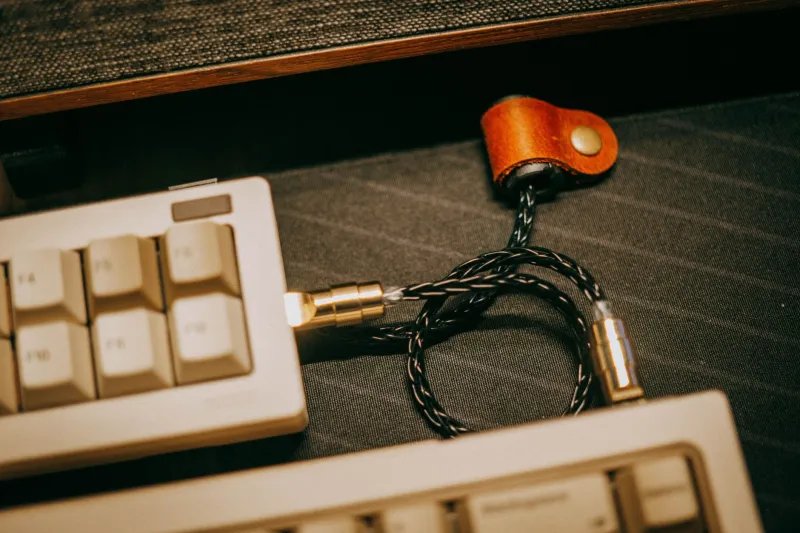
A simple routine helps. Keep the board you are not using in a dust cover or its original box, with the cable coiled and labelled. If you have a drawer or shelf, give each board a fixed home. The aim is not a museum display. It is a setup that can be tidied in under a minute when someone needs the spare room. If a third board starts to feel inevitable, ask where it will live before you ask what switches it will have.
Swappable plates and seasonal keycaps
Two boards do not have to mean two static builds. One of the pleasures of the hobby is changing the feel without changing the whole keyboard. A swappable plate can take a board from firm and clacky to softer and more muted. A different keycap profile can change the sound and the typing experience more than a new case might. This is where a pair really earns its keep: you can experiment on one board while the other stays familiar.
Keycaps are the easiest seasonal swap. A dark, understated set for winter work; something brighter for the play board in summer. Just be realistic about storage. Keycap sets take up more room than they appear to, especially once you keep the trays. A small labelled box is cheaper than another keyboard and a lot easier to explain.
Resale discipline
If you want to keep the hobby sustainable, sell what you are not using. That sounds obvious, but it is easy to let a spare board become sentimental clutter. Set a simple rule: if a keyboard has not been used for three months, it goes up for sale or gets loaned to a friend. UK marketplaces are active enough that a clean, honestly described board will usually find a home. Photograph the flaws, list the layout and switches clearly, and pack it properly. A good sale funds the next experiment without turning your home into a holding pen.
How to stop chasing the finish line
The two-board rule is not a punishment. It is a way to enjoy the hobby with less noise. Choose the work board for what your week demands. Choose the play board for what your evenings enjoy. Then spend your attention on the details that actually change the experience: stabilisers, lubrication, plate choice, keycap profile and the small comfort of a desk that is not permanently covered in keyboard parts.
Endgame may be a myth, but a good pair is not. Two boards, used properly, can cover more ground than a shelf full of maybes. And in a British home where space is tight and postage is not free, that is a genuinely satisfying place to stop.