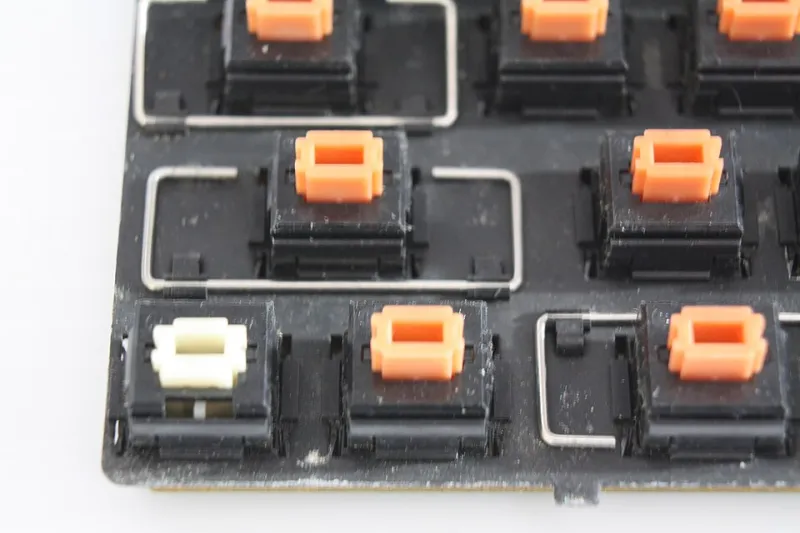
Mud, Vinyl and the Smell of an Old Switch: Notes from the British Car Boot Trail
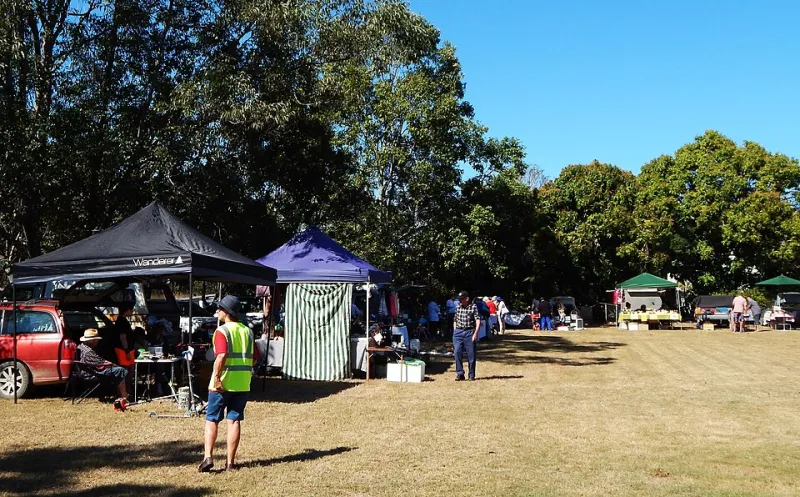
Photo: RegionalQueenslander, CC BY-SA 4.0, via Wikimedia Commons
Seven in the morning, a wet field in Essex, and a man is unloading a Mondeo boot while you try to work out whether the beige slab under his arm is a generic 1990s OEM board or something worth the £8 he is about to ask for. This is the hobby at its most ridiculous and its most enjoyable. Auction sites have algorithms. Boot sales have weather.
There is a particular thrill in rescuing a keyboard that was, twenty minutes earlier, destined for the tip. It is also a way to build a collection cheaply, if you are prepared to get your hands dirty and your expectations managed.
Why bother when Marketplace exists
Because nobody at a boot sale has looked up what they are selling. That is the entire market inefficiency, and it will not last forever. Prices on the second-hand sites have crept up as the hobby has grown — a grubby Dell board with rubber domes will still be listed at £45 by someone who searched the word mechanical once. In a field, an IBM Model M is still an object that takes up space in a garage.
You will also handle things you would never otherwise see. Odd ISO layouts, ADB-era Apple boards, industrial terminals, ancient Cherry G80s with doubleshot caps that are worth more than the whole stall.
What to actually look for
Learn the shape of a good board from ten paces. Chunky beige plastic, a thick coiled cable, a DIN or PS/2 plug, a badge in the top left corner. Weight is the giveaway — a genuinely mechanical board feels like it has a brick inside it, because usually it does.
Shortlist of names worth knowing: IBM Model M and its industrial variants, Cherry G80 series, Apple Extended Keyboard II, Focus and Acer boards with white Alps, early Compaq and HP mechanical units, and most things badged with a manufacturer rather than a retailer. Also worth a punt: anything with a metal backplate and doubleshot keycaps, even if the switches are unfamiliar.
What to leave: anything with a membrane sheet you can see through the gaps, anything that smells of damp carpet, and — this one divides people — anything whose cable has been cut. A cut cable usually means a scrap merchant, not a fault, but it is a hassle and there are plenty more boards in the field.
Testing in a muddy field
The trick is to bring less than you think you need, and to make it count.
- A USB-C phone with an OTG adapter and a USB-A to PS/2 or DIN adapter gets you a basic keypress test. A notes app is enough. Tap every key, including the numpad and the modifiers.
- A cheap multimeter tells you whether a switch is dead or the controller is. It also makes you look like you know what you are doing, which helps at the bargaining stage.
- Wet wipes, a cloth bag, and a couple of carrier bags for anything visibly grim.
- Cash. Small notes. Nobody in a field takes card, and the person with a £20 note gets less change and fewer discounts than the person with fives.
You will not be able to test everything. If the seller wants it gone and the price is a fiver, buy it and find out at home. That is the whole economics of the thing.
The bargain conversation
Be decent about it. Haggling over 50p on a £5 board is not a personality, it is a hobby tax on everyone else. Ask what they want, pay it if it is fair, and offer a lower number only when you genuinely think the item is overpriced or you are buying several things.
A line that works: I will take the lot off you for a tenner. Bundling is where the real savings live. Stacks of boards, cables, old mice — sellers price per item, but they think in terms of clearing the table.
Cleaning, without ruining it
Get it home and resist the urge to be thorough immediately. Photograph it first, from every angle, including the label on the back. Then:
- Keycaps off, into a bowl of warm water with a drop of washing-up liquid. Not hot. Never hot.
- The case and plate wiped with isopropyl alcohol. Not poured. Wiped.
- Never, under any circumstances, the dishwasher. Not the case, not the keycaps, not the plate. We have seen the results and they are sad.
- Retrobrighting works, but only on ABS yellowing, and it is a rabbit hole. Try it on a board you do not love first.
- Stabilisers usually need re-greasing after twenty years in a loft. Budget for it.
Rescue versus flip
There is a reasonable version of both. Buying a board, cleaning it, documenting the restoration and passing it on at a modest profit is a service — someone has to do the dirty work. The line is crossed when you strip the desirable keycaps off a good board, dump the rest and sell it as complete. Do not be that person.
A simple rule: if you cannot be bothered to restore it, sell it honestly as untested and let someone who will. And when you find two of something good, pass one on at cost to someone in the local group. The hobby runs on that.
A rough calendar
The season runs roughly from Easter to the end of October, with the peak in the long bank holiday weekends of May and August, when sellers clear out garages and buyers have a Monday to spare. Wet weekends thin the stalls and soften the prices. Late October is the last-gasp window, when regulars unload what did not sell all summer.
Winter is indoor territory: church hall table-top sales, charity shop shelves, and January house clearances, which is when the best unloved office equipment surfaces. The week after New Year is quietly one of the best times to be looking.
And when you find a good one, in a field, in the drizzle, with a bacon bap going cold in your hand — that is the whole point.