Cover Note: Getting Your Custom Keyboard a Fair Hearing from UK Home Insurance
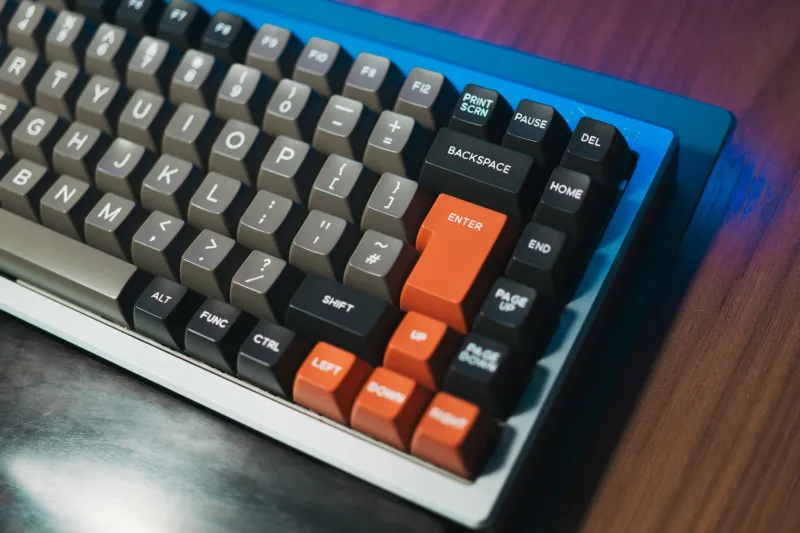
A custom keyboard is a strange object to explain to an insurer. It is part computer peripheral, part hobby project, part small pile of carefully chosen components. It may have arrived as a kit from a group buy, been soldered on a kitchen table, and now sits on your desk looking like the most valuable thing in the room. To a standard home contents policy, though, it can look suspiciously like “computer equipment” or, worse, an “unlisted collectible”. Neither label is automatically bad news, but both are worth understanding before you need to claim.
This is not regulated financial advice, and every policy is different. Treat it as a practical prompt to read your schedule, ask better questions, and keep the sort of paperwork that makes a claim feel less like a hostage negotiation.
Start with the boring bit: your policy schedule
UK home contents insurance usually covers household goods against specified risks such as fire, theft and escape of water. Many policies add accidental damage as an optional extra. The key details live in the schedule and the policy wording: the total sum insured, any single-article limit, whether “computer equipment” is capped, and whether items are covered away from home.
A custom keyboard can trip several of those categories at once. Is it computer equipment? A collectible? A piece of home entertainment? A DIY item with no conventional retail price? The honest answer is that it depends on the insurer’s definitions. If your board is worth several hundred pounds, do not assume it disappears into the general contents pot. Ring the insurer or check the wording and ask how they would classify a self-built mechanical keyboard. Get the answer in writing if you can, even if it is only an email confirmation.
DIY does not mean uninsurable — but it does mean explaining yourself
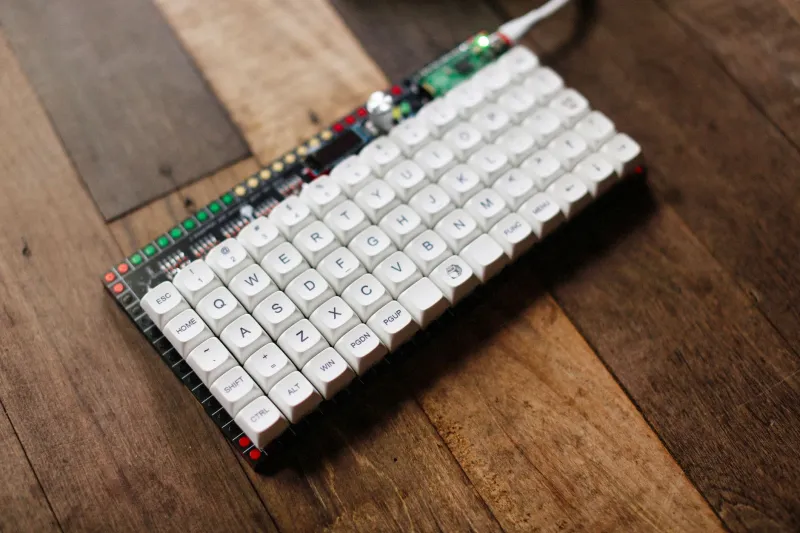
Insurers are used to DIY. They are less used to a hobbyist explaining that the board is a “Gasket-mounted 65% with an aluminium case, lubed linear switches and a custom PCB”. That is fine. The point is not to make it sound exotic; it is to make it sound identifiable.
Keep a simple build sheet: case, PCB, plate, switches, stabilisers, keycaps and any artisan caps. Note what you paid and when. If you bought parts over several months, a folder of order confirmations is more useful than a heroic attempt to remember everything in 2026. Photograph the finished board from a few angles, including the underside and any serial or model markings. A short video showing it working is not essential, but it is surprisingly good evidence of condition.
Group-buy receipts deserve special mention. A deposit paid in one year and a final balance paid months later can look messy in a bank statement. Save the vendor emails, the order page, the final invoice and the dispatch note. If the kit arrived from outside the UK, keep the customs paperwork too. It all helps establish that the board is yours, what it cost and when it entered your home.
Serial numbers, artisan caps and the collectible question
Some custom keyboards have serial numbers. Many do not. If yours does, record it and photograph it. If it does not, create your own reference: a photo of the board beside a piece of paper with the date and a short description is a low-tech but effective way to tie the item to you.
Artisan keycaps are a separate wrinkle. A single cap can cost more than a mainstream keyboard, and some policies treat collectibles, curios and items of unusual value differently from ordinary contents. If you have a small collection, list the standouts and keep the receipts. Do not assume a £200 artisan will be treated as a £2 keycap just because it is small enough to lose down the side of a sofa.
Accidental damage, away-from-home cover and the excess
Accidental damage cover is the difference between “the radiator leaked on it” and “I knocked a mug of tea across the desk”. It is often an add-on, and it may exclude gradual damage, wear and tear, or anything that looks like neglect. Read the exclusions rather than the headline. A sticky spill is not the same as a slowly corroding battery, and insurers will draw that line.
Away-from-home cover matters if you take your board to a meet-up, a friend’s flat or a co-working space. Check the limit and whether it applies to items “temporarily removed from the home”. If you are carrying a board in a rucksack, that is exactly the sort of ordinary scenario the wording should address.
Then there is the excess. If your excess is £250 and your board is worth £300, a claim may not be worth making. That does not make insurance pointless; it makes the numbers worth knowing. For a high-value build, ask whether it can be listed as a specified item. That may increase the premium, but it can also remove ambiguity about limits and definitions.
The radiator-leak test
Imagine a pipe fails above your desk. The board is soaked, the case is scratched and the PCB is dead. What would you need? Proof of ownership, proof of value, a description of the item and a clear idea of whether the policy covers escape of water and accidental damage. You would also need to know your excess and whether the insurer wants a repair quote or a replacement valuation.
That is the paperwork to assemble now, not after the carpet is wet. A folder on your phone or computer with receipts, photos and a one-page build summary is enough for most people. Label it plainly. Future-you will not want to search through five years of email while a dehumidifier runs in the hallway.
Custom keyboards are built to be personal, and that is exactly why they are awkward to insure. The fix is not to hide the hobby or pretend the board is a £20 office peripheral. It is to make it legible: what it is, what it cost, what it looks like and what cover you actually bought. A little admin now keeps the clack protected and the claim conversation considerably less painful later.