Screws in the Box, Deposit Intact: A Renter’s Guide to a Proper Keyboard Desk

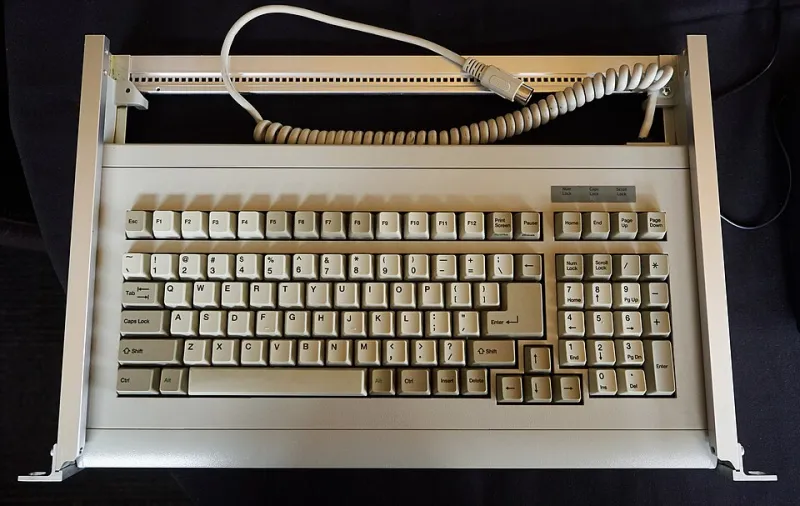
Photo: Gary Rogers , CC BY-SA 2.0, via Wikimedia Commons
Renting in the UK comes with a particular kind of background stress: the check-out inspection. Every Blu Tack smudge and picture hook becomes evidence. So it’s understandable that plenty of keyboard enthusiasts quietly give up on the idea of a proper setup and just type on a wobbling IKEA table with the cable draped over a radiator.
That’s a shame, because you don’t need to drill anything to make a rented room work. You need a desk that behaves, a floor that survives, cables that stay put, and a few acoustic tricks for the UK’s famously generous plasterboard. The deposit stays where it is. The clack gets better.
Read the Tenancy Like a Build Guide
Before you buy a single desk mat, find your tenancy agreement and your inventory. Look for the phrase “fair wear and tear” — it’s the legal cushion that separates normal living from damage. The Deposit Protection Service, TDS and MyDeposits all publish plain-English guidance on what landlords can and can’t charge for, and it’s worth ten minutes of your evening.
Take dated photos of the room as it is now, especially the floor and walls around your desk zone. Keep them in a folder. This isn’t paranoia; it’s the same logic as photographing a PCB before you desolder anything.
The Desk Is the Anchor, Not the Wall
A wall-mounted shelf or floating desk is the obvious renter’s enemy. Skip it. A freestanding desk with a solid frame is more flexible and easier to move when your landlord decides to sell.
If you’re using a monitor arm, clamp it to the desk, not the wall — and put a rigid offcut or a steel plate between the clamp and the desktop. Cheap chipboard desks dent under clamp pressure, and a dent is exactly the sort of thing an inventory clerk notices. Check the clamp’s contact points and add felt pads where metal meets wood.
For under-desk storage, look for clamp-on baskets or trays that grip the desk frame. No screws, no adhesive, no drama. If you need a CPU holder, choose one that hangs from the desk frame rather than the wall.
Mat First, Everything Else Second
A desk mat does two jobs: it protects the floor from chair castors and it deadens the sound of your keyboard hitting the desk. For carpet, a polycarbonate chair mat stops the slow death of your landlord’s flooring. For hard floors, a felt-backed rug under the desk is kinder to the room and to your ears.
Avoid adhesive-backed mats. On old emulsion, even “removable” adhesive can lift paint, especially in a Victorian conversion where the plaster has been painted over more times than a group-buy thread. If you want extra grip, use a rubberised underlay rather than glue.
Cable Routing Without a Single Rawl Plug
The wall is off-limits, so route everything along the desk. Clamp-on cable trays are widely available from the usual suspects — IKEA, Argos, Amazon UK — and they do the job without touching the skirting board. Velcro ties are better than zip ties because you’ll rearrange things constantly. We all do.
For the power strip, a cable management box on the floor is boring and brilliant. It keeps the plug end tidy and stops the cat from treating the IEC cable as a chew toy. If you must stick something to a surface, test a patch first: 3M Command strips are decent on sealed paint, but they can still take a flake of old plaster with them. A removable hook on the side of the desk is safer than anything on the wall.
Quiet Applause: Damping Thin Walls and Floors
British flats and terraced houses are not acoustically generous. A mechanical keyboard with a hollow case will find every weak point in a partition wall. You can’t rebuild the room, but you can soften it.
Start with the keyboard itself: add case foam, use a desk mat, and consider silent or lubed switches if your neighbour’s bedroom shares a wall with your desk. A thick rug and heavy curtains absorb reflected sound. A freestanding acoustic panel — the kind that sits on the floor or leans against a wall with a rubber foot — is renter-friendly and surprisingly effective. Bookshelves full of books do a similar job for free.
Don’t forget the floor. If you’re on the ground floor above a basement flat, a rug under the chair reduces the thud of castors and the tap of footsteps. It also makes the room feel less like a temporary rental and more like a place you actually live.
The Tiered Shopping List
Tier one: charity-shop and boot-sale finds
A solid wooden desk with a few scratches costs less than a new flat-pack and sounds better under a keyboard. Look for sturdy legs and a deep enough top for a 65% board plus a mug. Add a second-hand rug, a heavy mug, a ceramic tray for keycaps, and a wool blanket for draughts. Total spend: often under £40.
Tier two: sensible high-street upgrades
Dunelm and Argos are good for rugs and chair mats. B&Q and Screwfix sell foam, felt pads, Velcro and cable ties without the enthusiast markup. IKEA’s cable trays and desk organisers are cheap and clamp-friendly. A decent surge-protected extension lead is worth buying new.
Tier three: the considered keyboard spend
Once the room is stable, spend on the things that actually change the typing experience: a properly sized desk mat, a set of silent switches, and a case foam kit. These are the upgrades you’ll keep when you move. And if you’re building a board from a kit, keep the box and the screws — future you, packing for the next flat, will be grateful.
Check-Out Day: Put It Back
When the tenancy ends, remove everything, clean the floor, and take photos that match the ones you took at the start. If a clamp left a faint mark on the desk, a dab of matching wood stain or a careful sanding block can usually sort it. If a Command strip lifted paint, mention it early rather than hoping the inventory clerk misses it. Honesty tends to go further than a rushed patch-up.
The goal isn’t to hide the fact that you live there. It’s to leave the place as you found it, minus the normal wear of a life well typed. No drills, no deposit drama, no reason to compromise on the clack.